Our Work
We are committed to fostering sustainable development in the Turkana region through targeted interventions across four core pillars. Our approach is deeply rooted in understanding the local context, leveraging indigenous knowledge, and building resilient communities.
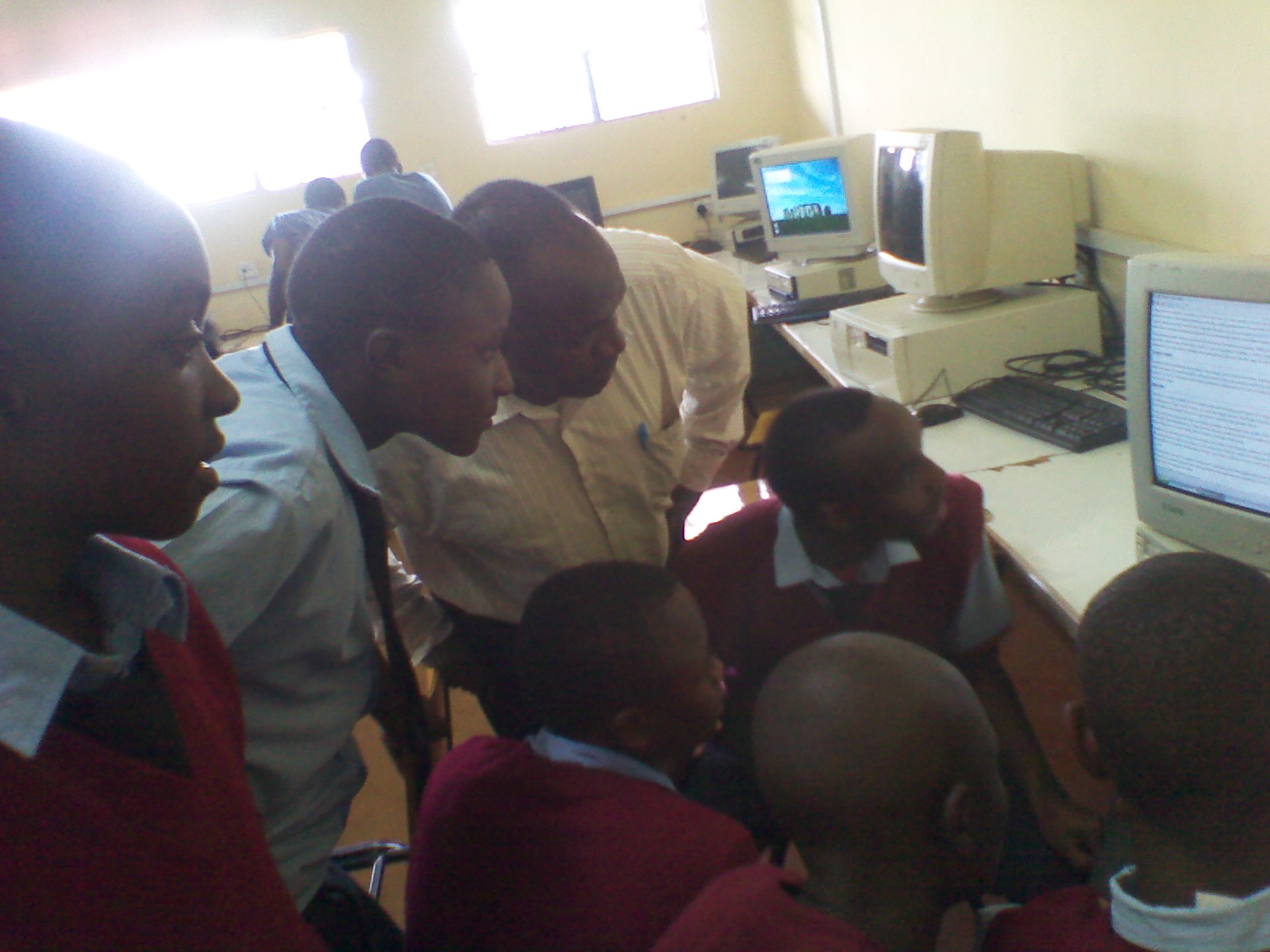
Education & Skills Development
- Community-based education advocacy and retention campaigns
- Scholarships and mentorship for learners from vulnerable backgrounds
- Vocational and life skills training for out-of-school youth
- Partnerships with local schools and county education departments
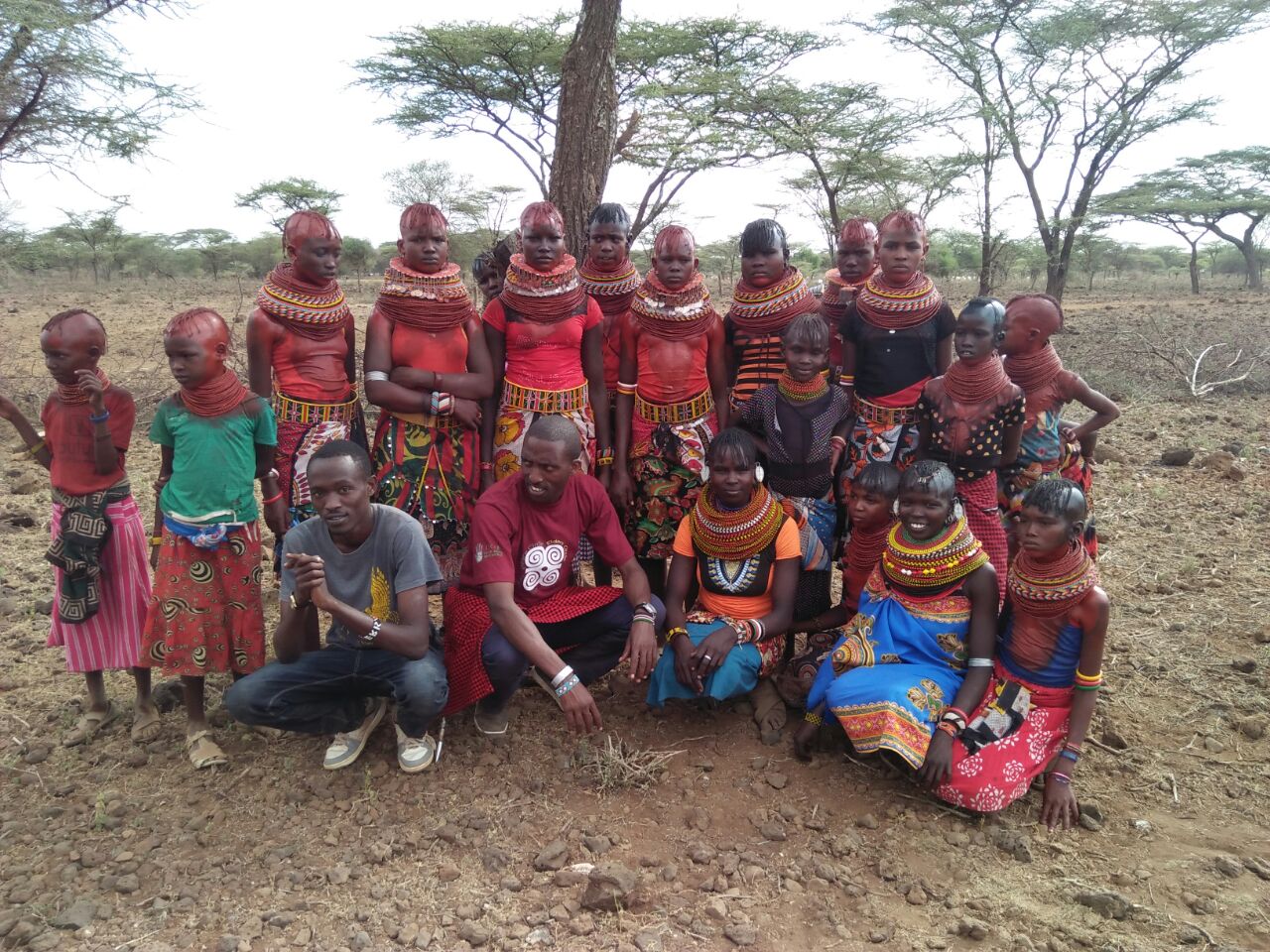
Peacebuilding & Social Cohesion
- Peace dialogues and community mediation forums
- Youth and women peace ambassadors programs
- Cross-border peace and resource-sharing initiatives
- Early warning and response mechanisms for conflict prevention
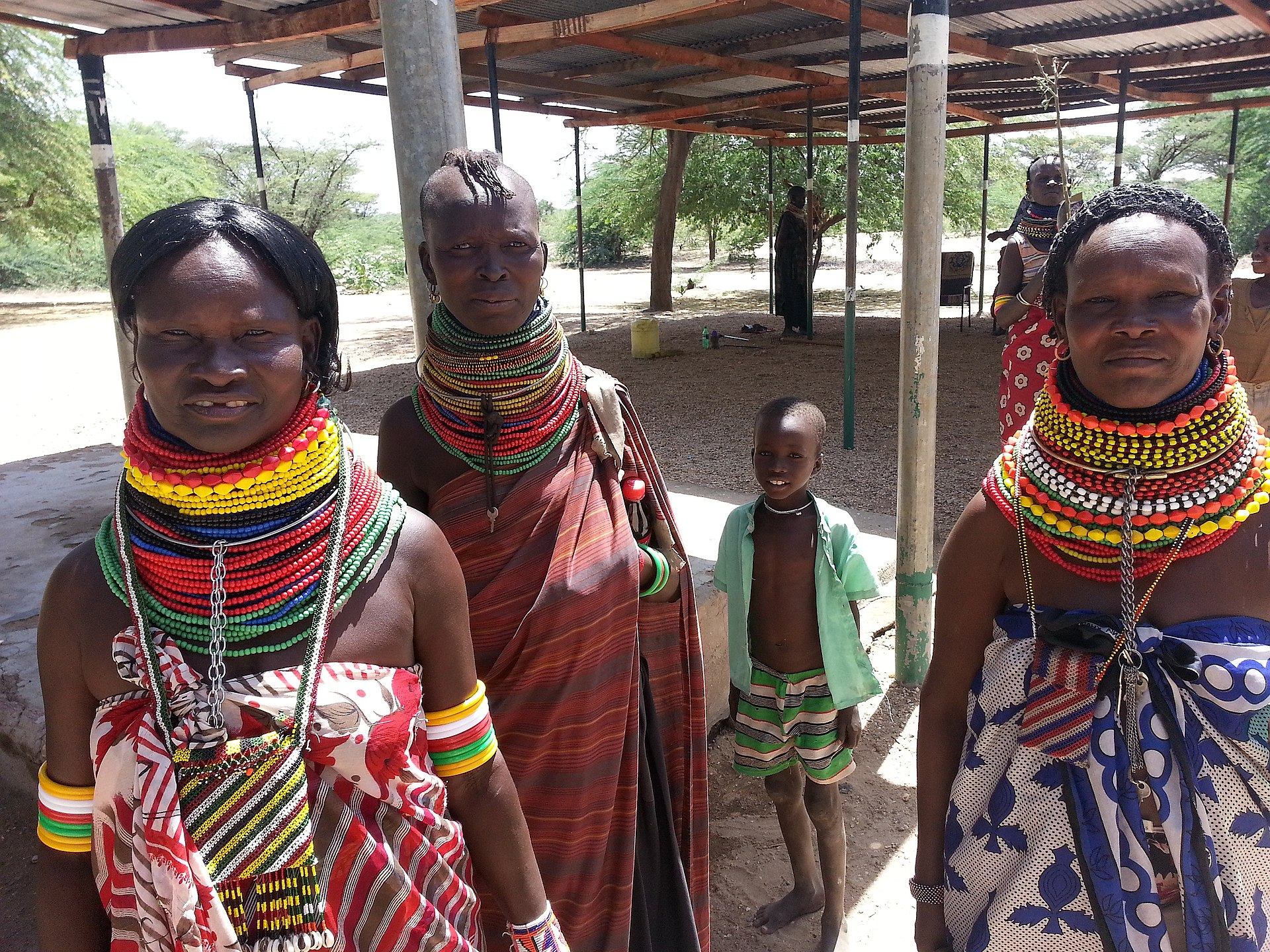
Advocacy & Governance
- Public participation: strengthening citizens' engagement in county governance
- Local content: advocating inclusive participation in natural resource management
- Social accountability: training communities to monitor service delivery
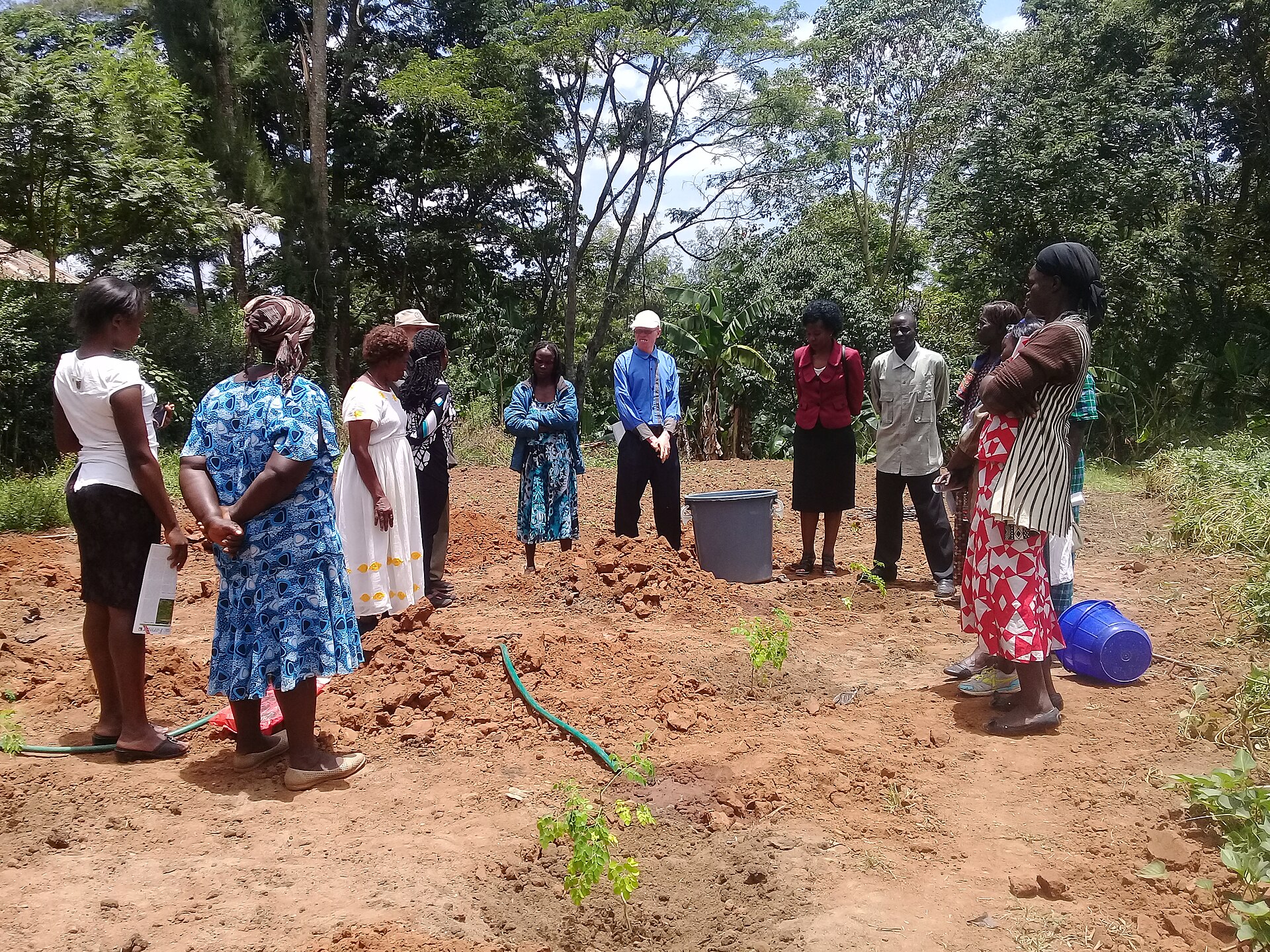
Climate Action & Resilience
- Climate-smart agriculture and rangeland restoration
- Renewable energy and water conservation initiatives
- Environmental education and tree-growing campaigns
- Strengthening community adaptation and disaster risk reduction
Inclusion is not a program.
We believe that true development must be inherently inclusive. Disability integration is woven into the fabric of every initiative we undertake, not treated as an afterthought or a separate silo.
Disability Inclusion Commitment
Turkana Development Trust (TDT) enforces active disability inclusion as a core institutional pillar. This means persons with disabilities are engaged not as passive recipients, but as decision-makers and leaders.
1. Governance & Representation
We mandate disability representation within our governance systems, community peace networks, and sub-county planning committees.
2. Infrastructure Standards
All TDT-built infrastructure—including water access points, training hubs, and community forums—adheres strictly to universal accessibility design principles.
3. Partnership Audits
We collaborate with relevant government bodies and civil society partners to run inclusion audits across all program sites, validating that no community members are left out.